Navigating the Housing Affordability Crisis: A Legislative Challenge
The pressing issue of housing affordability is more relevant than ever, yet recent actions—or rather, inactions—by the Trump administration seem to undercut its urgency. As economic pressures mount, notably seen in skyrocketing Google searches related to affordability, a disturbing trend emerges: the president appears dismissive of the housing legislation that could effectively address these concerns. This is not just a political misstep; it has implications for voters who expect tangible solutions.
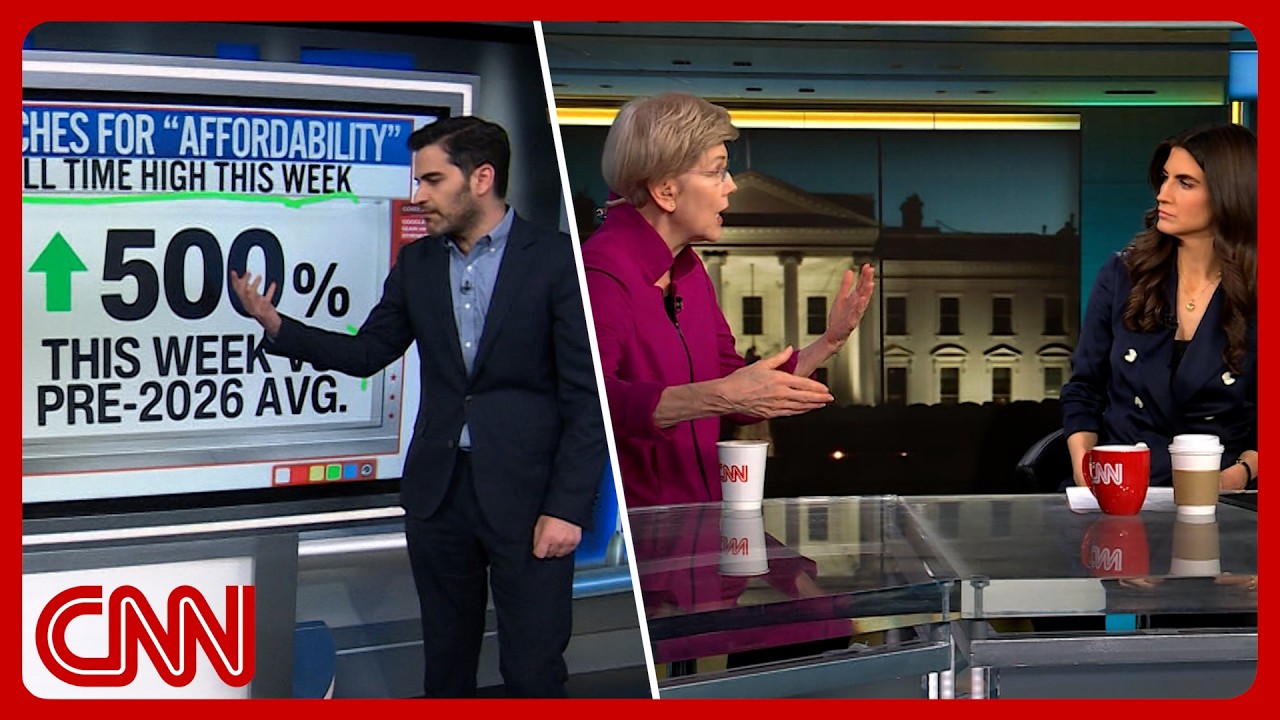
Amid a sudden surge in online searches reflecting an acute awareness of housing affordability, the political landscape seems increasingly precarious for both the administration and its Republican allies. In the week leading up to Trump’s decision not to sign a pivotal housing bill, searches related to affordability spiked by 500%, reaching an unprecedented high. To Republicans in Congress, this was not just a missed opportunity; it was a clear signal that the electorate’s discontent is fermenting and could have dire consequences during upcoming elections.
Since his election, Trump campaigned heavily on promises to reduce inflation and stabilize the economy. However, recent survey data reveals a stark shift in public opinion. Once enjoying a modest majority of voters who believed he was delivering on these promises, Trump now faces a more skeptical electorate. The dichotomy is jarring: 52% of voters previously believed he was fulfilling his commitments, but that number has since dropped to 40%. Conversely, 55% now feel that he is not living up to his campaign pledges, particularly on critical issues like affordability.
What is unfolding here seems to underscore a growing chasm between the administration’s priorities and the electorate’s pressing needs. This misalignment is alarming, particularly when considering that Republicans in Congress urgently sought the passage—and presidential endorsement—of the housing bill. Their concern is dual-faceted: not only do they wish to provide tangible results to their constituents, but they are also fully aware that the political buck stops with them in the 2026 midterms when Trump will not be on the ballot.
The proposed housing bill, which garnered substantial bipartisan support, aimed at expanding housing supply through nearly 50 provisions tailored for various demographics—from veterans to first-time homebuyers. The bill’s implication extends beyond immediate relief; it seeks to redirect private equity investments away from neighborhood housing, thereby preserving community ownership. With both parties uniting on this legislation, the president’s refusal to sign appears increasingly incongruous.
Trump’s own rhetoric suggests he may be more focused on economic factors—such as interest rates—than on the pressing issue of affording housing. While it is crucial to address interest rates, any lasting solution must tackle the underlying conditions driving costs higher—factors influenced by his administration’s tariff policies and healthcare strategies. Currently, the burden of rising costs is keenly felt by American families, translating into tangible pressure on their quality of life.
Political analysts observe a significant trend: as public dissatisfaction with the administration rises, the Democratic party’s standing on key issues like cost of living is beginning to improve. This shift could potentially reshape electoral dynamics in favor of the Democrats, especially as they leverage their bipartisan efforts on housing legislation against a backdrop of Republican disunity.
In the face of this crisis, political leaders must recognize the imperative of responding to constituent concerns about affordability. Failing to do so risks alienating a voter base that could decisively impact future elections. The bipartisan housing bill stands as a tangible measure of progress, one that aims to alleviate the burdens faced by average Americans.
Ultimately, the challenge ahead lies not just in the legislation itself but in the broader commitment from political leaders to prioritize affordability as a core issue. Voter impatience is mounting, and the time for meaningful action is now. Whether through renewed legislative initiatives or a shift in policy focus, the imperative remains clear: housing affordability cannot remain an overlooked priority in our nation’s economic narrative.